Mental health has experienced a major shift in people's perception over the past decade. What was once discussed in hushed tone or not even mentioned at all is now a part of the mainstream conversation, policy discussion, and workplace strategy. That shift is ongoing, and the way society understands the importance of mental wellbeing, speaks about it, and approaches mental health continues develop at a rapid rate. Certain of the changes real-life positive. Some raise serious questions about how good support for mental health is in actual practice. Here are 10 major mental health issues that will be shaping how we see the state of our wellbeing into 2026/27.
1. Mental Health gets a place in the mainstream ConversationThe stigma that surrounds mental health has not disappeared however it has been reduced dramatically in a variety of contexts. Celebrities discussing their personal experience, workplace wellness programs becoming commonplace and content on mental health reaching enormous audiences online have all contributed to a new cultural one where seeking out help has become increasingly normalised. This is significant as stigma has been one of the main factors that prevent people from seeking help. The conversation is still a considerable amount of work to do in certain settings and communities, however, the direction is evident.
2. Digital Mental Health Tools Expand AccessTherapy apps that guide you through meditation, AI-powered psychological health assistants, and online counselling services have improved access to support for people who might otherwise be denied. Cost, location, waiting lists and the discomfort associated with facing-to face disclosure have kept treatment for mental illness out of accessible to many. Digital tools do not replace professional medical attention, but serve as a helpful initial point of contact the opportunity to learn resilience skills, and provide ongoing support during appointments. As these tools improve, their role in a greater mental health system is expanding.
3. Employee Mental Health and Workplace Health go beyond Tick-Box ExercisesFor many years, workplace healthcare for mental health was a matter of an employee assistance programme identified in the employee handbook or an annual event to raise awareness. It is now changing. Employers are now integrating psychological health into the management training and workload design evaluation of performance, and organizational culture in ways that go well over the surface. The business value is now well-documented. In addition, absenteeism or presenteeism as well as work-related turnover that are linked to poor mental health are costly Employers that deal with problems at their root are seeing measurable returns.
4. The Relationship Between Physical And Mental Health is Getting More AttentionThe idea that physical health and mental health are two distinct categories has always been an oversimplification, and research continues to prove how deeply interconnected they are. Sleep, exercise, nutrition as well as chronic physical ailments all have been documented to impact mental health. And mental health influences physical outcomes in ways that are increasingly fully understood. In 2026/27, integrated approaches that focus on the whole person rather than siloed disorders are growing in popularity both in the clinical setting and how people handle their own health care management.
5. It is acknowledged as a Public Health IssueLoneliness has shifted from being something that was a social issue to a well-known public health issue that has specific consequences for both physical and mental health. The governments of several countries have developed strategies specifically to reduce social isolation. communities, employers, and technology platforms are being urged to consider their role in causing or reducing the problem. The evidence linking chronic loneliness to adverse outcomes like cognitive decline, depression and cardiovascular disease has established an evident case that this cannot be a casual issue but a serious problem with massive economic and personal costs.
6. Preventative Mental Health Gains GroundThe dominant model of mental health services has traditionally had a reactive approach, which means that it intervenes when someone is suffering from grave symptoms. There is a growing awareness that a preventative approach to making people resilient, enhancing their emotional awareness, addressing risky behaviors early, and creating environments that encourage health before the onset of problems, provides better outcomes, and reduces stress on services already stretched to capacity. Schools, workplaces and community-based organizations are all viewed as sites where prevention-based mental health care can be done at a larger scale.
7. The copyright-Assisted Therapy Program is Moving Into Clinical PracticeStudies into the therapeutic uses for a variety of drugs including psilocybin copyright is generating results compelling enough to take the conversation from fringe speculation to serious medical debate. Regulators in different jurisdictions are being adapted to facilitate controlled therapeutic applications, and treatment-resistant anxiety, PTSD such as end-of-life-anxiety and depression are among disorders that are showing the most promising results. The field is still developing and tightly controlled field but it is on the way to more widespread clinical access as the evidence base continues to expand.
8. Social Media And Mental Health Take a deeper look at the relationship between social media and mental health.The early narrative on the relationship between social media and mental health was relatively simple the message was: screens bad; connections negative, and algorithms harmful. The conclusion that has emerged from more thorough research is considerably more complicated. The nature of the platform, its design, that users use it, their age, security vulnerabilities that exist, and the kind of content consumed come into play in ways that don't allow for simplistic conclusions. Pressure from regulators for platforms to be more open about the consequences to their software is growing and the debate is shifting away form a blanket condemnation of the platform to a focus on particular mechanisms of harm and how to deal with them.
9. Trauma-Informed Approaches Become Standard PracticeTrauma-informed treatment, which is the understanding of distress and behaviour through the lens of life experiences instead of pathology, has moved away from specialized therapeutic contexts and into more mainstream practices across education, social work, healthcare, and the justice system. The recognition that a significant part of those who are suffering from troubles with mental illness have histories associated with trauma, or that traditional techniques can retraumatize people, has shifted how professionals have been trained and how the services are designed. The focus is shifting from whether a trauma informed approach is useful to how it can be applied consistently on a massive scale.
10. A Personalized Mental Health Care System is more attainableIn the same way that medicine is moving towards more individualized treatment depending on a person's individual biology, lifestyle and genetics, the mental health treatment is now beginning to be a part of the. The universal model of therapy and medication has always been ineffective, and improved diagnostic tools, modern monitoring, as well a wider number of treatments based on research allow doctors to identify individuals and the techniques that are most likely to be effective for their needs. The process is still evolving but the path is towards a new model of mental health care that's more responsive to individual variability and more effective in the end.
The way that society views mental health and wellbeing in 2026/27 has not changed in comparison to the past The change is still far from being fully completed. It is positive that those changes are progressing toward the right direction towards more transparency, earlier intervention, better integrated care and a growing awareness that mental wellbeing is not only a specialized issue, but the key element in how individuals as well as communities function. To find more context, browse the best nationvoice.co.uk/ for more info.
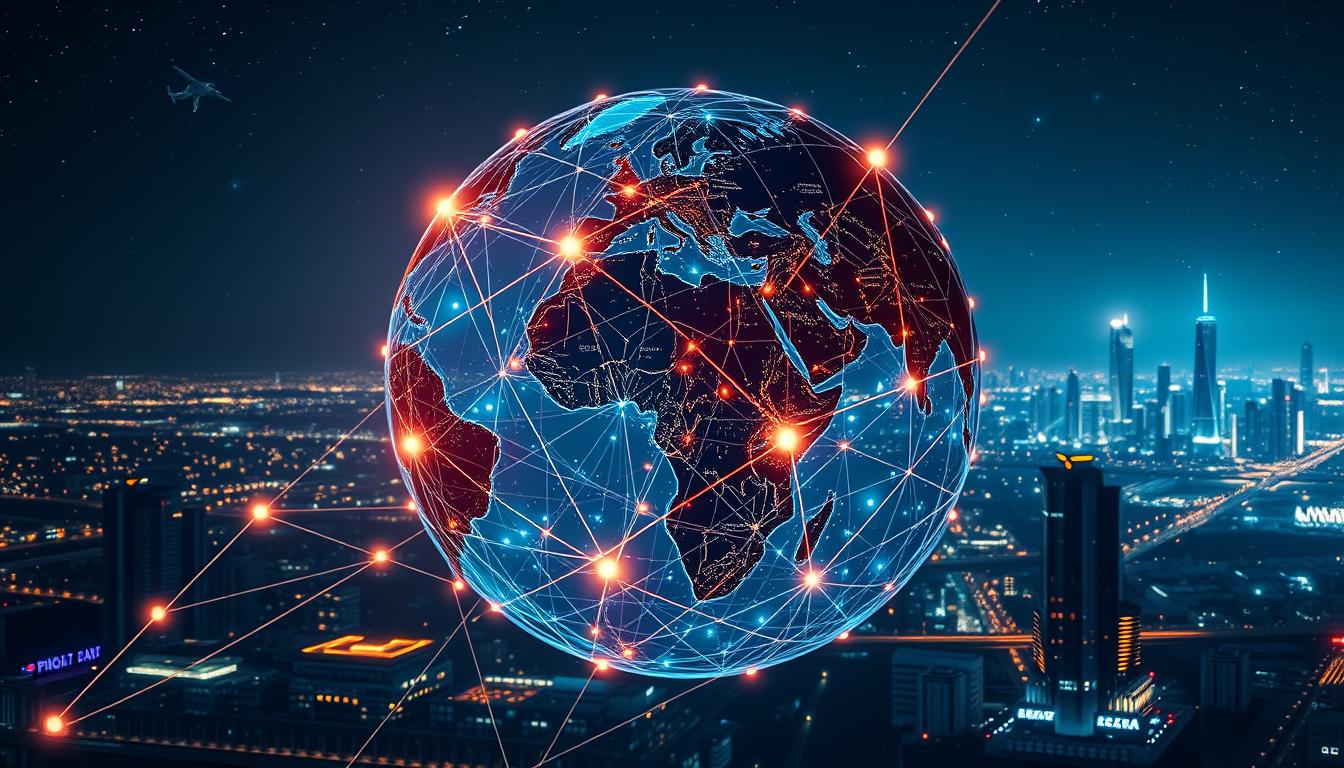 Top 10 Online Security Trends All Digital User Should Know In The Years Ahead
Cybersecurity is now well beyond the concerns of IT departments and technical specialists. In a world where personal finance documents for medical care, professionals' communications, home infrastructure and even public services are digitally accessible The security of this digital world is a aspect for everyone. The threat landscape continues to evolve faster than what most defenses can meet, fueled by the ever-increasing capabilities of attackers an ever-growing attack space, and the increasing capabilities of the tools available to individuals with malicious intent. Here are ten cybersecurity trends every web user should be aware of as they move into 2026/27.
1. AI-Powered Attacks Raise The Threat Level SignificantlyThe same AI technologies that are improving cybersecurity techniques are also being used by attackers in order to increase the speed of their attacks, more sophisticated, and difficult to identify. AI-generated fake emails are impossible to distinguish from legitimate emails at a level that aware users can miss. Automated vulnerability discovery tools find vulnerabilities in systems faster than human security teams are able to patch them. Deepfake audio and videos are being employed to carry out social engineering attacks in order to impersonate officials, colleagues and relatives convincingly enough so that they can approve fraudulent transactions. The increasing accessibility of powerful AI tools means that the capabilities of attack which used to require advanced technical expertise can additional info now be used by more diverse attackers.
2. Phishing is becoming more targeted and convincingPhishing attacks that are generic, such as the obvious mass emails that urge recipients to click on suspicious links remain commonplace but are added to by targeted spear phishing attacks that feature personal information, real-time context, and genuine urgency. Attackers are utilizing publicly accessible public information such as professional accounts, Facebook profiles, and data breaches in order to create messages that appear to be from trusted and reputable contacts. The volume of personal information available to make convincing pretexts has never before been this large as well as the AI tools that can create personalized messages on a large scale have removed the labour constraint that previously limited what targeted attacks could be. Be wary of unexpected communications, however plausible they may be to be, is becoming a fundamental skillset for survival.
3. Ransomware Changes and continues to evolve. Increase Its IntentsRansomware malware, which blocks the organisation's data and demands payment to pay for the software's release. The program has grown into an international criminal market worth millions of dollars with a level of operating sophistication that resembles a genuine business. Ransomware-as-a-service platforms allow technically unsophisticated actors to deploy attacks developed by specialist criminal groups for a share of the proceeds. The targets have shifted from large corporations to schools, hospitals local government, as well as critical infrastructure. Attackers have figured out that organisations unable to tolerate disruption in their operations are more likely. Double extortion tactics, such as threats to publish stolen information if payment isn't made, have become a standard procedure.
4. Zero Trust Architecture Emerges As The Security StandardThe old model of security for networks considered that everything within the network perimeter of an enterprise could be safe. Due to the influence of remote work cloud infrastructure mobile devices, as well as increasingly sophisticated attackers able to establish a foothold within the perimeter has made that assumption untrue. Zero trust framework, based in the belief that no user or device can be trusted in default regardless of its location, is fast becoming the standard for ensuring the security of an organisation. Every access request is validated and every connection authenticated while the radius of any breach is limited through strict segregation. Implementing zero trust to the fullest extent is not easy, but the security improvement over perimeter-based models is substantial.
5. Personal Data Remains The Primary GoalThe commercial importance of personal information to any criminal organization or surveillance operations means that individuals are primary targets regardless of whether they're employed by a high-profile organisation. Financial credentials, identity documents medical records, as well as the kind of personal information which can help in convincing fraud are always sought. Data brokers that have vast amounts in personal information offer large numbers of potential targets. In addition, their violations expose individuals who never directly dealt with them. Controlling your digital footprint knowing what information is available about you and what it's used for they are, and taking measures to reduce the risk of being exposed are becoming crucial personal security strategies rather than a matter for specialists.
6. Supply Chain Attacks Take aim at the Weakest LinkIn lieu of attacking a safe target directly, sophisticated attackers increasingly take on hardware, software or service providers an organization's needs depend on by using the trustful relationships between suppliers and customers as an attack channel. Supply chain attacks could compromise thousands of organizations at the same time with an incident involving a widely-used software component and managed service providers. The main issue facing organizations in securing their posture is only as strong because of the protections offered by everything they rely on which is a vast and difficult to assess ecosystem. Security assessment of vendors and software composition analysis are on the rise due to.
7. Critical Infrastructure Faces Escalating Cyber ThreatsWater treatment facilities, transportation networks, financial systems, and healthcare infrastructure are all targets for state-sponsored and criminal cyber actors whose objectives range from extortion and disruption, to intelligence gathering and the pre-positioning of capabilities for use for geopolitical warfare. Many high-profile events have highlighted the consequences of successful attacks on critical infrastructure. They are placing their money into improving the security of critical infrastructures, and they are developing frameworks for defence and emergency response, however the complexity of outdated operational technology systems and the challenges of patching and securing industrial control systems makes it clear that vulnerabilities continue to be prevalent.
8. The Human Factor remains the most exploited RiskDespite the advanced technology of cybersecurity tools, most successful attack vectors continue to draw on human behaviour, not technological weaknesses. Social engineering, or the manipulation of people into taking actions which compromise security, are the root of the majority of breaches that are successful. Employees who click on malicious links and sharing their credentials in response to impersonation that is convincing, or providing access using false pretexts continue to be the main attacks on every field. Security culture that views people's behavior as a issue that must be addressed instead of a capacity which can be developed over time fail to invest in training in awareness, awareness, and understanding that could enable the human layer to be security more robust.
9. Quantum Computing Creates Long-Term Cryptographic RiskThe majority encryption that secures online communications, transactions involving money, and sensitive data relies on mathematical problems that conventional computers can't resolve within any practical timeframe. Quantum computers capable of a sufficient amount of power will be able of breaking popular encryption standards and in turn rendering the data vulnerable. While large-scale quantum computers capable of doing this don't yet exist, the possibility is real enough that federal authorities and other security standard bodies are already moving towards post quantum cryptographic algorithms created to resist quantum attacks. Businesses that have sensitive data and long-term confidentiality requirements need to begin preparing their cryptographic move before waiting for this threat to arise.
10. Digital Identity and Authentication Advance beyond passwordsThe password is one of the most persistently problematic elements that affects digital security. It has a inadequate user experience and fundamental security weaknesses that years of recommendations on strong and unique passwords haven't been able to be able to address in a sufficient way for a larger population. Passkeys, biometric authentication the use of security keys that are hardware-based, as well as other approaches that are password-free are experiencing swift acceptance as secure and less invasive alternatives. Major platforms and operating systems are actively pushing away from passwords and the technology for a post-password authentication environment is growing rapidly. It won't happen within a short time, however the direction is clearly defined and the pace is speeding up.
Cybersecurity isn't an issue that only technology can solve. It will require a combination of enhanced tools, better organizational policies, more savvy individual actions, and regulatory frameworks which hold both attackers as well as inexperienced defenders accountable. For people, the most critical understanding is that a secure hygiene, strong and unique security credentials for each account being wary of unexpected communications, regular software updates, and a clear understanding of what individuals' personal data is on the internet is not a sure thing, but is a significant reduction in security risks in an environment in which the threat is real and increasing. For further insight, check out some of these respected pressjunction.net/ to read more.